The rapid growth of social media over the last decade has established an entirely new medium for human interaction. Online platforms such as Facebook, Twitter and Instagram have allowed people in every corner of the world to be connected 24/7. By 2021, it is forecast that there will be around 3 billion active monthly users of social media. From the statistics alone, it’s clear that social media has become an integral (and to a large extent, unavoidable) part of our lives.
One implication of social media’s rapid rise, that of its relationship with young people’s mental health, has gathered a significant amount of attention in recent years. Research has created a wide evidence-base supporting an association between social media use and mental health, and although still emerging, new evidence has painted a broad picture of the main impacts. The popularity of social media as a medium of communication for young people needs to be carefully examined, as it may indeed come to play a more detrimental role than we might have thought.
From the statistics alone, it’s clear that social media has become an integral (and to a large extent, unavoidable) part of our lives
So-called ‘social media addiction’ has been referred to by a wide variety of studies and experiments. It is thought that addiction to social media affects around 5% of young people, and was recently described as potentially more addictive than alcohol and cigarettes. Its ‘addictive’ nature owes to the degree of compulsivity with which it is used. The ‘urge’ to check one’s social media may be linked to both instant gratification (the need to experience fast, short term pleasure) and dopamine production (the chemical in the brain associated with reward and pleasure). The desire for a ‘hit’ of dopamine, coupled with a failure to gain instant gratification, may prompt users to perpetually refresh their social media feeds.
What is dangerous about this compulsive use is that, if gratification is not experienced, users may internalise beliefs that this is due to being ‘unpopular’, ‘unfunny’ etc. A lack of ‘likes’ on a status update may cause negative self-reflection, prompting continual ‘refreshing’ of the page in the hope of seeing that another person has ‘enjoyed’ the post, thus helping to achieve personal validation. Although these perceptions may not actually reflect one’s image in the eyes of others, the absence of gratification may amplify feelings of anxiety and loneliness. A recent study conducted by the OECD, for instance, found that those who used social media more intensively on average had lower life satisfaction.
The desire for a ‘hit’ of dopamine, coupled with a failure to gain instant gratification, may prompt users to perpetually refresh their social media feeds.
Associated with this desire for instant gratification is the negative impact that these platforms can have on sleep and sleep quality. Data from qualitative studies has shown that using social media compulsively can damage sleeping patterns, having an adverse effect on young people’s performance in school. The University of Glasgow found that young people found it difficult to relax following night time social media use, reducing their brain’s ability to prepare for sleep. Sleep loss works in a vicious cycle of reinforcement with mental health; that is, that loss of sleep due to night time social media use can lead to poorer mental health, and poor mental health can lead to intense night time use and sleep loss.
Social media can also heighten anxiety by increasing users’ ability to keep up to date with the activities of their social circles. The popular concept of Fear of Missing Out (FOMO) refers to ‘a pervasive apprehension that others might be having rewarding experiences from which one is absent’ and is ‘characterised by the desire to stay continually connected with what others are doing’. FOMO has been linked to intensive social media use and is associated with lower mood and life satisfaction. We have become more aware of what we are missing out on, for example, seeing photos of friends having a good time together in one’s absence. ‘Always on’ communication technology can cause feelings of anxiety, loneliness and inadequacy through highlighting these activities, compelling users to stay continually engaged and up to date due to fear of not being involved. Humans are social beings who desire group interaction, therefore perceived exclusion can have damaging psychological impacts. Indeed, studies from the USA have found a robust association between intense social media use, fear of missing out and both depression and anxiety.
Fear of Missing Out has been linked to intensive social media use and is associated with lower mood and life satisfaction
From another angle, online platforms may also have the potential to damage mental wellbeing through promoting unreasonable expectations. Social media has been linked to poor self-esteem and self-image through the advent of image manipulation on photo sharing platforms. In particular, the notion of the ‘idealised body image’ has arguably been detrimental to self-esteem and image, especially that of young women. The 24/7 circulation of easily viewable manipulated images promotes and entrenches unrealistic expectations of how young people should look and behave. When these expectations are inevitably not met, the impact on self-esteem can be damaging, to the disturbing extent that the Royal Society of Public Health recently found 9 in 10 young females say that they are unhappy with the way they look.
The rise of social media has been a fundamentally multifaceted phenomenon, the statistics suggesting that it will come to play an increasingly dominant role in our lives. The evidence suggests that social media use is strongly associated with anxiety, loneliness and depression. Whether it is causal or just a correlation will need to be further examined by researchers, mental health policy stakeholders and the social media industry. In the meantime, we must think very carefully about how we can manage its impact on mental health, for instance, through integrating social media ‘lessons’ into subjects in school, the use of behavioural economics and increased signposting efforts by social media firms.
Overcoming Impostor Syndrome in the Age of Social Media
March 14, 2021
Social media enable everyone to build, create, and curate their own brand. Others interact with this personal brand, refining and changing it. This dynamic process can create a social media image that feels divorced from the person behind the profile.
Most social media profiles present a person’s life through rose-colored glasses, depicting only the best and most likable aspects of a person. A single “candid” image might have required hours of preparation and hundreds of photographic outtakes. The unfavorable or imperfect images all go unseen. There’s no better way to make yourself feel small than by comparing yourself to others. It’s a habit that makes you doubt your own talents and abilities. Often, even when you receive recognition for those things, you still doubt them, and you may even worry about being exposed as a fraud.
There’s a term for this behavior, which is increasingly better understood: Imposter Syndrome.
RECOGNIZING IMPOSTOR SYNDROME
In the 1970s, researchers first identified the phenomenon among high-achieving women who felt like frauds. Since then, researchers have identified impostor phenomenon among many groups, including white men. Yet marginalized groups—women, genderqueer individuals, racial/ethnic minorities, people with disabilities, etc.—may be more vulnerable to impostor syndrome.
Historically marginalized communities see fewer examples of successful people who look like them. Oppression, discrimination, and microaggressions may help activate feelings of self-doubt. A 2017 study linked impostor syndrome among racial and ethnic minority students to increased depression and anxiety.
People with impostor syndrome may worry that they have fooled everyone into overestimating their talent, intelligence, popularity, etc. They often believe their success is merely illusory, a product of luck instead of merit. Other common characteristics of impostor syndrome include:
• Being unable to claim credit for one’s own achievements. For example, a woman receiving an award at work might downplay her contributions and highlight the accomplishments of her team.
• Fearing judgment for perceived failures or shortcomings. They may fear being “found out.”
• Not feeling a sense of belonging. This is especially prevalent among minorities in competitive workplaces, political organizations, and other groups whose membership provides social status.
Impostor syndrome can sometimes be a self-fulfilling prophecy. When people are unable to claim credit for their achievements, others may be less likely to notice those achievements. This can slow career progress, reducing rewards and encouragement which could convince a person that they deserve their success.
HOW SOCIAL MEDIA CAN AMPLIFY IMPOSTOR SYNDROME
Social media platforms allow a person to display the things they most want others to see. Some social media users are better at this than others, creating a compelling personal brand that creates the illusion of a perfect and highly successful life. The ready availability of social media profiles makes it easy to compare oneself to dozens of other people in just a few minutes. A person can even search for people with similar backgrounds, in similar jobs, or of the same age.
The viewer can’t compare to this flawless image. This can lead to insecurity and impostor syndrome, especially when a person compares themselves to people at work, school, or those in the same profession.
Social media users may be able to push back against impostor syndrome by viewing social media as a curated, deliberate branding effort—not an honest and complete presentation of a person’s life.It’s easy for even mundane aspects of daily life to become a source of comparison online. Self-care, for example, is vital for well-being. It can also be a way to signal how much leisure time, support, and money a person has. A struggling college student who sees photos of their peer at an expensive spa may feel hopeless about their own prospects for self-care.
Parenting, pet ownership, gift-giving, time management, and even cleaning can likewise trigger social media comparisons. So while a person who felt like an impostor at work might previously have comforted themselves with reassurances about their other skills, social media make it possible to feel inadequate across numerous domains.
Over time, this constant comparison can lead to impostor syndrome and other mental health issues. A person viewing an apparently flawless life may wonder, “Why can’t I do that?” The reality is that the person who appears to be living a flawless life probably doesn’t lead the life they present on social media.
A 2017 study found people who spent 121 minutes or more per day on social media were more likely to report feelings of isolation and identify with statements such as “I feel like people barely know me.” Other studies also support a link between heavy social media use and worsening mental health. For instance, a 2015 study of adolescents found that those who used social media for more than two hours per day were more likely to report poor mental health.
NThere are three main types of comparison promoted by social media, and each comes with its own challenges:
• Upward: This is when we compare ourselves to others who are where we’d like to be. The problem is that it can easily make us feel inferior, and with social media, we can feel completely overwhelmed by the amount of comparisons that can be made. It’s like if I tried to compare my progress in the gym to that of every NFL athlete’s progress.
• Downward: This is comparing ourselves to someone who we view as being in a lesser position than ourselves. This may make us feel better about ourselves in the short term, but it also reinforces biases and judgements against others. It can ultimately result in harsher judgements made against ourselves when we encounter setbacks.
• Lateral: Comparison against our peer group. While this might seem harmless, constantly focusing on the image of the lives being lived by our peer group is misleading and unhelpful. People put forward the image of themselves they want you to see, and there’s a lot left behind the curtain. Lateral comparisons may add to feelings of loneliness, isolation, anxiety, and depression.
Whether your point of comparison is fitness or coding, the ability to compare yourself to others has never been so vast, and it has very real emotional implications.
Here are some of the negative impacts social media can have on your life, as well as advice for how to take back control.
1. Social media can lead to feelings of anxiety or depression
It doesn’t require a far mental leap to see how constantly comparing yourself to others might lead to anxiety and depression, as you feel like you’ll never measure up. Comparing your body type to someone else’s—especially a professional athlete or someone whose life is focused around fitness—can only lead to making you feel bad about yourself.
In pre-COVID days (ah, simpler times), it was easy to compare your life to those of people who traveled all the time or appeared to enjoy a lavish lifestyle.
If we’re consistently focused on things we don’t have, can’t afford, can’t easily attain, or simply don’t align with our body type, we can experience deep frustration that can quickly evolve into anxiety and depression.
2. Social media can lead to lost sleep
We all know that an anxious mind can mess with your ability to fall asleep. Have you also noticed how people you see on social media frequently end up in your dreams?
Social media, and our phones in general, are designed to capitalize on behavioral psychology. Their sole purpose is to increase engagement rates. This stimulation can not only keep you awake, but it can add to your anxiety, as social media and phone usage stimulates endorphins and adrenal glands.
3. Social media can lead to low self-esteem
A constant focus on comparison can result in a painful cycle, in which those suffering from low self-esteem or mild depression are more likely to make frequent social comparisons, and these comparisons in turn make them feel even worse. This creates a incredibly negative (and sometimes dangerous) loop.
4. Social media can lead to excessive stress
In fitness, there’s a saying: “You are what you eat.” The same goes for social media. If you’re constantly consuming things that make you feel like you should be something other than what you are, you’re bound to be stressed. If I compare my own fitness journey to that of a guru like Tony Horton, Joel Freeman, or Amoila Cesar, I’m only going to get frustrated.
5. Social media can lead to loneliness
Social media can be very emotionally charged. Take, for instance, the election cycle we’ve just come out of, in which constant attack ads from both parties pushed people to not only vote but donate money.
Social media has made this process so toxic that we are in a state of negative sentiment override. In marriage, this looks like when you get so resentful toward your partner that you begin to hate even the little things, like the way your partner holds their fork, in addition to the bigger issues. The ratio of positive to negative interactions is so off balance that you develop contempt, and this is the same thing that has happened in politics.
To a certain extent, the role models we see on social media can have a positive effect on us, as they can inspire certain positive forms of self-improvement. But this effect can also go too far.
As a therapist, I see clients all the time who are pushing themselves to be like their role models … to drive a certain car, have a podcast, create a life that looks a certain way online, have elite life experiences, focus on self-improvement to the point where they don’t recognize the person in the mirror. At a certain point, you can’t be real, and it’s isolating.
6. Social media cuts down our quality time
We’ve lost a lot of quality time in our lives as a result of our scrolling and our quest for likes: Time to connect with our partner, kids, family; for reading and imagination; for intimacy and connection.
So how can you tell if you need a break from social media, or if you should cut back on your consumption?
It’s really as simple as answering this question: Do you wonder if your time online is making you unhappy?
If it’s a question you ask yourself, then it’s probably your answer. I’d also suggest watching The Social Dilemma on Netflix as it pertains to this exact issue. As a therapist, I see rising levels of loneliness, isolation, depression, and anxiety, and it’s all linked to social media.
Here’s how to cut back:
If you’re interested in putting a little more space between yourself and social media, I think a first good step is to look at how much you use your phone, tablet, or computer. Try keeping a rough log, or reference the screen usage details that are included on most phones these days (such as the Screen Time app on iOS).
Once you see the amount of time you spend on your devices, look at what apps and activities are eating up that time and think about what apps and notifications you can remove to lower temptation and distraction.
Personally, I only use Facebook on my laptop, and I don’t let it send me notifications. I also shut off notifications for many other apps, as well as the ability for social apps to be used over cellular networks. I simply removed the apps that were eating up my time, such as Reddit and Apple News.
Lately, I’ve also been using the iOS Bedtime app to encourage me to turn off my device at a better time.
Another option? Just take a full gadget break. I have a buddy who only turns on his phone a few times a day to check messages. The rest of the time, he focuses on reading, writing, yoga, and self-care.
Mental health stigma
Fear Of ‘What Will People Say?’ Is Driving Up India’s Suicide Rate
Many are shocked to learn that mental and emotional problems and suicidal feelings cut across education levels, socio-economic classes, gender, age and even family backgrounds. Across the board, human emotions — pains, fears, frustrations and worries — truly are universal and transcend any stereotypical notions we have of mental illness. Also, across the board, the thing that inhibits people most from getting the help they need is a fear of what other people might say and think.
So, it’s time to take a hard look at what we’re saying and thinking about mental health. Suicides in India increased by 23% from 2000 to 2015 with the maximum number of such deaths being reported in the 30 to 45 age group, followed closely by young adults between 18 and 30 years, according to data released by the National Health Profile of India, 2018. The two age groups together (18 to 45 years) accounted for more than 66% of suicides in 2015.
India has one of the highest suicide rates in the world, according to a 2012 study published in the Lancet, and the statistics on suicide among youth are particularly alarming; in 2015, every hour, a student committed suicide in India, per the National Crime Records Bureau report for that year.
We might like to think “these problems don’t happen to our people,” but they do.
“These problems don’t happen to our people” is a common rationalization I hear — whether “our people” means Hindus, Muslims, Parsis, Sikhs, or any other community, many people believe that mental health issues skip certain religions or social classes. A young man who had attempted to take his life blurted out to me once during therapy, “How has it come to this in my life? I come from a respectable Hindu family!”
We might like to think mental health problems don’t happen to people like us, but they do.
The factors that drive a person to take their lives are often something we can all relate to. Close to 25% of suicides are related to family problems. For example, romantic relationships, joint family dynamics, parental pressure to perform up to academic, professional or personal expectations, emotional abuse and domestic violence are all contributing factors that push people over the edge to take their own lives.
And yet common parlance refers to those with emotional problems as “pagal,” or assumes those with emotional difficulties are not being “strong enough,” or that they “don’t come from a good family or upbringing.” These casual phrases feed the misconception that mental health problems are for other people.
And so, the attitude that such problems need to be kept at home only and swept under the carpet, for fear of what others might say or think, spreads. “Log kya kahenge?” and family izzat are the main culprits that prevent people from getting help, as though being in denial will get rid of the very problems that tend to snowball if suppressed.
What people say and think can be harsh. It can be exceptionally difficult to admit to a child’s mental health problems from the sense of failure it might evoke.
My brother’s friend was a young man from a wealthy and conservative family who came to therapy at the point of being suicidal. Miserable in an arranged marriage that left him with low self-esteem, he feared being socially ostracised if he left the relationship. He feared the judgment of others and how it would negatively affect his parents’ reputation and his sister’s potential marriage prospects. As someone who had always pleased his parents — in academics, in work, and in his marriage — he felt he had no option but to stay in a relationship that made him deeply depressed. Only when Sriram had thoughts of ending his life did he decide to give therapy a try.
What people say and think can be harsh — for parents, especially. It can be exceptionally difficult to admit to a child’s mental health problems from the sense of failure it might evoke. If anything is not going great in a child’s life – a woman’s raison d’être, according to society — people silently or even openly point fingers at the mother particularly.
But is the disapproving gaze of society more important than the well-being of our loved ones?
Getting help from an experienced, professional therapist or psychiatrist has been proven to help those in a distressed state, but overcoming fear of society’s judgment and disapproval to get that help is not easy. Rather, it is brave.
Confronting one’s own emotional pain in order to seek help and release is a very proactive and courageous thing to do. It takes a very emotionally strong, confident and mature person – and very emotionally strong, confident and mature parents — to admit when a person is facing more than they can handle, to accept that emotional vulnerability is not a vice or setback.
Hearteningly, this kind of attitude is slowly replacing older myths about “people like us.” Hindi movies and TV serials, like the popular Krishna Challi London, now try broach the topic of mental illness and suicide more frequently than before. And the Hindi movie Dear Zindaagi, for instance, attempts a realistic portrayal of a young woman struggling in her search for identity and seeking therapy to help her find it; Alia Bhatt’s character in that movie is so relatable she could be you or me.
But we can’t wait for movies and TV shows to tell us what to think and say; the cost of waiting for that transformation is too high. We’re responsible for our own attitudes, and in light of the statistics, it might be worth asking “Log kya kahenge?” or “How could this happen to people like us?” a little less, and “How can I help?” a little more.
Healthy Weeknight Meals
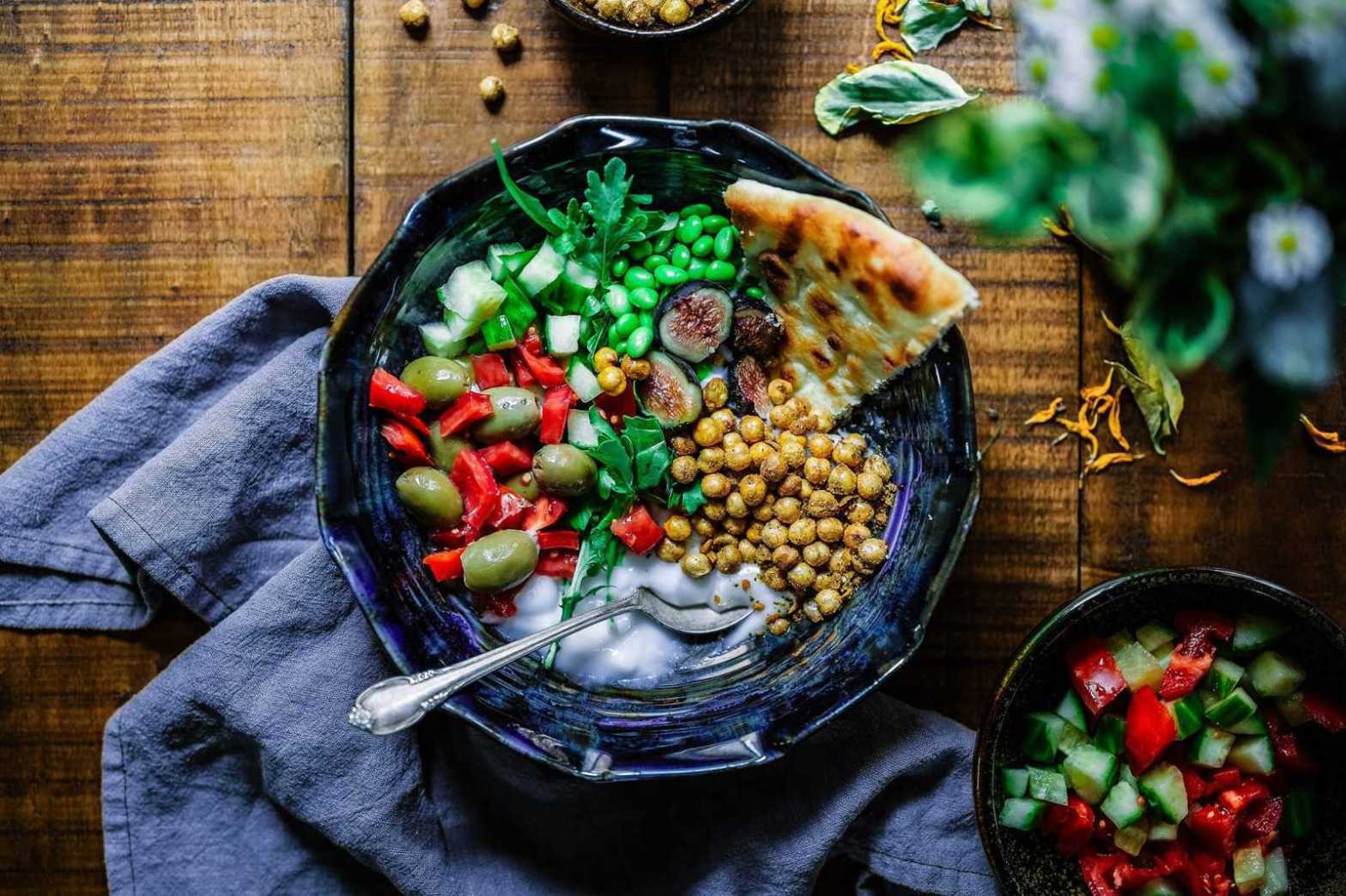
Cooking can sometimes feel like a chore at the end of a busy day. It’s often tempting to throw a ready meal in the oven or call for take out. But preparing a simple and healthy family meal doesn’t have to be hard or time-consuming. Here are some quick wholesome dishes that you and your family will love. They can even be prepared in advance.
Better than Poutine

I know, what could be better that a steaming plate of fries, gravy and cheese curd? Fries, gravy, cheese curd and bacon, that’s what! Throw in some fresh shallots, chilli, and a splash of roasted bone marrow and duck gravy, and we turn this popular French-Canadian dish into a something sublime.
Breakfast at my House

During the week we’re often walking out the door with a coffee in one hand and slice of toast in the other, but on weekends breakfast is never rushed. It’s a late affair, sometimes spilling over to lunch, with lots of reading and chatter in between courses of fruits, poached eggs, honey and toast. One of our favorite things we like to serve when friends are visiting are buckwheat blueberry pancakes.
Roasted Pumpkin Soup

There’s nothing better than a warm bowl of pumpkin soup on a cold autumn day. Combine your roasted pumpkin with some onion, garlic, vegetable broth, and a few spices, and give it some time to simmer away. Pair it with a few slices of fresh bread to turn it into something sublime.
 Site Title